Do I Need an Amp for My Car Speakers?
Radios make only modest power. When an amplifier helps, how much power to choose and what else to plan.
 Note 02GuidePlain English
A factory radio usually makes only a small amount of continuous power per channel, and many aftermarket radios make a little more. That is enough for quiet listening, but it is not enough for loud music with clarity. An amplifier gives speakers the power they need to play loud without distortion.
Signs an amp would help
- The music sounds thin or harsh when you turn it up.
- You hear distortion at the volume you like.
- You have upgraded speakers and they still do not seem to come alive.
- You want to add a subwoofer, which almost always needs its own amplifier.
How much power to choose
A good rule is to match the amplifier's continuous power per channel to the RMS rating of your speakers, within a modest margin. An amplifier with slightly more power than the speaker rating gives headroom, and it is safer than a weak amp that clips. The Car Amp Size Calculator on this site gives a starting point.
What an amp needs besides power
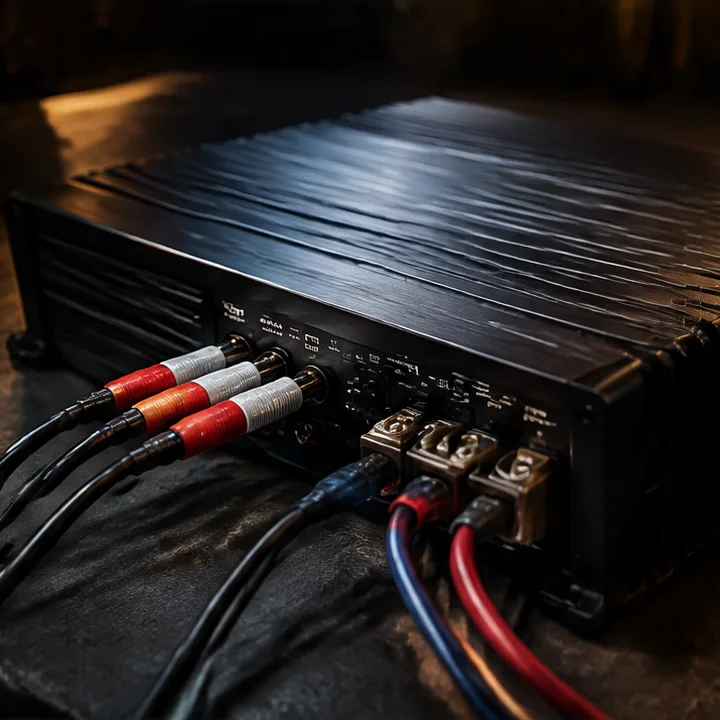
Amplifiers need a fused power wire from the battery, a solid ground, a signal cable from the radio and a little airflow. Good wiring is the hidden half of a good amp installation.
Plan the whole system
If you plan to add a subwoofer later, choose an amplifier and wiring that can grow with the system. A technician can plan this for you in a short visit.
Car Audio Nashville is a mobile car audio installer. Tools, charts and guides on this website give general information and planning figures, not a quote, a promise or professional advice for your vehicle. Car electrical work can be dangerous: disconnect the battery and follow safety rules, or leave it to a professional.
Put it into practice
See how Car Audio Nashville handles car amplifier installation, or open the Sound Lab to plan the job.